
How Structural Strengthening Extends the Life of a Property
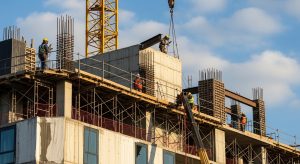
Underpinning represents just one of the many structural strengthening techniques that can dramatically extend a building’s lifespan, a direct example of How Structural Strengthening Extends the Life of a Property. When faced with aging infrastructure or structural concerns, property owners often assume demolition and reconstruction are the only options. However, structural strengthening offers a third, smarter option.
Rather than starting from scratch, we can implement targeted reinforcement methods that preserve your property’s value while ensuring its continued safety. Indeed, these strengthening techniques extend the life of a building, allowing it to function safely without the need for demolition and reconstruction. With materials like FRP (Fiber Reinforced Polymer) typically lasting 30 to 50 years or more, underpinning and other structural solutions provide long-term benefits at a fraction of rebuilding costs. Furthermore, some strengthening methods can boost structural capacity significantly carbon fiber wraps, for instance, can increase flexural and shear capacity by 40–200%, depending on application.
In this guide, we’ll explore how structural strengthening works to extend property life, examine why buildings fail prematurely, and reveal the most effective reinforcement techniques that deliver lasting results for property owners.
Why Buildings Fail Before Their Time
Buildings rarely reach the end of their intended lifespan due to multiple converging factors that accelerate deterioration. Understanding these failure mechanisms helps explain why structural strengthening becomes necessary long before a structure’s expected end of life.
Environmental stress and material fatigue
The continuous assault from environmental elements represents a primary cause of premature structural deterioration. As global temperatures rise and weather patterns fluctuate, concrete and other building materials experience faster wear and tear. Daily and seasonal temperature variations cause expansion and contraction, increasing the risk of cracking, spalling, and joint separation.
In colder regions, repeated freeze-thaw cycles create internal pressure as trapped moisture expands and contracts, gradually weakening structural elements. Additionally, coastal properties or areas using de-icing chemicals face accelerated deterioration from chloride penetration that corrodes reinforcing steel.
Material fatigue a process of gradual deterioration in fastening components produces small cracks that eventually lead to failure under cyclical stress. This fatigue typically occurs in three distinct phases: crack initiation (generally the longest phase), propagation as cracks grow due to load effects, and finally, catastrophic failure.
Design limitations of older structures
Many aging buildings were designed according to outdated codes that didn’t anticipate today’s challenges. Older structures often lack the flexibility to accommodate change a critical shortcoming as commerce, culture, and environmental conditions evolve.
Aging infrastructure faces numerous challenges, including inadequate maintenance that can lead to overlooked cracks, delayed repairs, and ignored signs of wear. According to forensic engineering investigations, structural failures frequently result from a combination of design errors, material issues, construction defects, and environmental factors.
Impact of increased usage and load
As buildings age, their usage patterns often change dramatically, placing demands that far exceed original design parameters. Overloading due to extra storage, increased occupancy, or even excessive snow accumulation can trigger localized or widespread structural damage.
Dynamic loads from earthquakes, wind gusts, or machinery vibrations present particular dangers if the original design failed to account for such forces. Studies show building energy consumption can vary by up to 23% based on different lighting load patterns and by as much as 58% for different plug load patterns, illustrating how modern usage intensities strain older systems.
Proper underpinning and other strengthening techniques directly address these failure mechanisms, extending building lifespans despite these mounting pressures.
What Structural Strengthening Really Does
Structural strengthening serves as a vital engineering practice for existing buildings, offering solutions that go far beyond simple repairs. Unlike temporary fixes, this comprehensive approach transforms vulnerable structures into resilient assets that can withstand future challenges.
Reinforces weak points without full rebuild
Structural strengthening specifically targets a building’s vulnerable areas without requiring complete demolition. This process begins with a thorough structural engineering assessment that identifies potential risks and weak points. Engineers then determine the appropriate strengthening method based on the structure’s specific condition and needs. The building reinforcement process subsequently strengthens critical elements like:
- Foundations through micropiles or pressure grouting
- Columns and beams using carbon fiber reinforcements
- Walls via steel plate additions or epoxy injection
- Structural frameworks with reinforced concrete or polymer materials
These targeted interventions provide extra durability to the structure and effectively distribute tensile forces, essentially extending the structure’s life at a fraction of rebuilding costs.
Prepares buildings for future demands
The built environment faces unprecedented challenges, with nearly 70% of the world’s population expected to live in cities by 2050. Consequently, buildings must adapt to increasing loads and changing environmental conditions. Structural strengthening prepares buildings for these future demands by enhancing their resilience against natural disasters like earthquakes, hurricanes, and floods.
In particular, underpinning and other strengthening techniques increase a structure’s load-carrying capacity, allowing it to support greater weights and stresses than originally designed. This adaptability proves crucial as buildings age or undergo modifications that place demands exceeding original design parameters.
Restores safety and compliance
Above all, structural strengthening ensures buildings remain safe for occupants while meeting modern regulatory requirements. Only 10 out of 22 countries reviewed have building code provisions covering additions, alterations, or changes in building use. This regulatory gap makes strengthening even more critical as it addresses the need for guidance on assessment, rehabilitation, and retrofitting.
For existing buildings, structural engineers assess the building’s framework and recommend retrofitting solutions to improve safety and compliance. These modifications minimize potential risks to occupants, protect property investments, and demonstrate compliance with evolving building standards a necessity for continued legal operation in many jurisdictions.
Key Strengthening Methods That Work
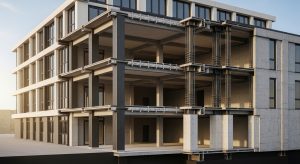
Modern structural engineering offers several proven strengthening methods that effectively extend building lifespans without requiring complete reconstruction. These techniques represent the perfect balance between performance and practicality.
Carbon fiber wrapping for invisible strength
Carbon Fiber Reinforced Polymer (CFRP) wrapping provides remarkable reinforcement with minimal visual impact. This lightweight material delivers powerful strengthening while adding negligible weight to structures. Applied externally as fabric sheets bonded with epoxy adhesives, CFRP creates a composite system that dramatically enhances structural performance. Notably, this technique can increase flexural and shear capacity by 40–200% depending on application. CFRP excels at column confinement, crack control, and seismic retrofitting while preserving architectural integrity through its thin profile.
Steel jacketing for critical load areas
For elements requiring substantial reinforcement, steel jacketing remains highly effective. This technique involves encasing columns, beams, or walls in steel elements to restore or enhance load capacity. Steel jacketing effectively provides additional deformation and strength to reinforced concrete members. Primarily used for seismic retrofits and areas experiencing increased loads, steel-jacketed columns can show approximately 14% increase in peak axial capacity. The process typically involves attaching steel angles, channels, or plates around existing structural members to create composite sections with greater strength.
Underpinning to stabilize foundations
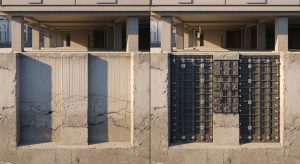
Underpinning strengthens and stabilizes existing foundations by extending them to more supportive soils or bedrock. This technique becomes necessary when original foundations are compromised by expansive soil, erosion, or increased structural loads. Common underpinning methods include mass pour (concrete foundation poured beneath existing foundation), mini-piled (deep vertical elements screwed into stable soil), and beam/base techniques (constructing reinforced concrete beams below foundations). Helical anchors offer quicker installation with less ground disruption compared to traditional approaches.
Epoxy injection to seal and restore cracks
Epoxy injection effectively restores structural integrity by rebonding cracked concrete. This method can repair cracks as small as 0.002 inches (0.05 mm), sealing them against moisture infiltration while restoring structural strength. The process involves cleaning cracks, installing injection ports, applying paste-over material, and injecting specialized epoxy under pressure. Importantly, the bond strength of epoxy to clean concrete exceeds the tensile strength of the concrete itself. This technique works particularly well for structural cracks, moisture entry points, and pre-rehabilitation stabilization.
Long-Term Benefits for Property Owners
The financial wisdom of structural strengthening becomes evident when examining its long-term economic impact on property ownership. Investing in these techniques creates substantial returns throughout a building’s extended lifecycle.
Extended service life of the building
Properly strengthened structures can last 50-100 years or more with appropriate maintenance. Studies reveal that well-maintained wood buildings often exceed 75 years of service, whereas many concrete buildings without strengthening are demolished between 26-50 years. Likewise, CFRP-reinforced bridges demonstrate 25+ years of sustainability significantly outlasting traditional steel-reinforced structures.
Reduced maintenance and repair costs
Structural strengthening substantially lowers long-term operational expenses. Property owners typically save 12-23% on lifecycle costs through techniques like carbon fiber reinforcement. Moreover, strengthened buildings require fewer structural interventions, HVAC repairs, and pest control measures over time.
Higher property value and safety
Properties with addressed structural issues maintain significantly higher market values. Unaddressed foundation problems can decrease home values by up to 25%. Conversely, strengthened buildings hold greater appeal to investors, tenants, and buyers seeking structurally sound properties.
Compliance with modern building codes
Structural upgrades ensure buildings meet contemporary safety requirements while avoiding potential penalties. This compliance facilitates future renovations and reduces insurance premiums through improved fire resistance, storm durability, and overall structural integrity.
Conclusion
Structural strengthening stands as a powerful solution for property owners facing the challenge of aging or compromised buildings. Throughout this guide, we’ve seen how techniques like underpinning, carbon fiber wrapping, steel jacketing, and epoxy injection effectively target weak points without requiring complete demolition. These methods not only address current structural issues but also prepare buildings for future demands and changing environmental conditions.
Property owners who choose strengthening over reconstruction gain significant advantages. First, they extend their building’s service life by decades potentially 50-100 years with proper maintenance. Additionally, they avoid the substantial costs associated with demolition and new construction while simultaneously reducing ongoing maintenance expenses by 12-23%.
The financial benefits extend beyond immediate savings. Properties with resolved structural issues maintain higher market values, whereas unaddressed foundation problems can decrease home values by up to 25%. Furthermore, strengthened buildings attract quality tenants and buyers seeking safe, durable properties that meet modern building codes.
Most importantly, structural strengthening provides peace of mind. Rather than worrying about deteriorating foundations, cracking walls, or potential compliance issues, property owners can confidently invest in their building’s future. These techniques transform vulnerable structures into resilient assets capable of withstanding environmental stresses, increased usage demands, and changing regulatory requirements.
Before assuming demolition is your only option for an aging property, consider the smart alternative of structural strengthening. This approach preserves your investment while ensuring safety, compliance, and longevity truly the best of both worlds for forward-thinking property owners.