
Residential vs Commercial Groundwork Solutions
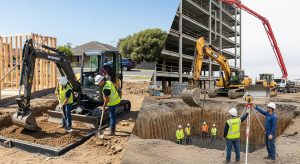
When seeking piling contractors in Brentwood for your next construction project, understanding the fundamental differences between residential and commercial groundwork is essential, a choice framed by the decision of Residential vs Commercial Groundwork Solutions. Residential construction typically focuses on building structures designed specifically for people to live in, while commercial construction creates spaces for business operations, services, and public use.
We’ve found that these two sectors differ significantly in several key areas. Commercial projects typically require larger budgets due to their scale and complexity, and often take more than a year to complete. However, residential projects move faster and generally use more standard materials. Beyond these basic distinctions, the groundwork solutions needed for each type vary dramatically in terms of planning requirements, equipment used, and overall approach. In this article, we’ll explore the critical differences that impact how piling contractors in Brentwood approach residential versus commercial foundations and groundwork.
Types of Groundwork Projects by Sector
Groundwork projects form the backbone of any construction endeavor, laying the essential foundation upon which all structures depend. The quality of these initial preparations directly determines the long-term safety and stability of the final building, making the expertise of reliable piling contractors brentwood indispensable. Although both residential and commercial sectors require careful planning and execution, they differ considerably in scale, complexity, and technical requirements.
Residential: driveways, foundations, drainage
Residential groundwork typically serves single-family homes or small housing developments where structural demands remain relatively straightforward. These projects focus on preparing sites for smaller buildings with lighter loads. Essential residential groundwork elements include:
Foundation laying for stable house bases, often utilizing strip foundations which are common in residential buildings. For homeowners, foundations must provide adequate support despite the smaller scale compared to commercial counterparts. Additionally, residential sites require basic drainage systems that effectively manage water flow around properties to prevent moisture damage.
Other crucial components include utility connections for water, gas, and electricity, all designed with accessibility and maintenance in mind. Furthermore, residential groundwork frequently incorporates landscaping preparation for gardens and outdoor spaces that enhance property esthetics after construction completes.
Commercial: car parks, basements, utility trenches
In contrast, commercial groundwork addresses significantly more demanding requirements. These projects usually involve structures covering extensive land areas with multiple floors and substantially heavier loads. Commercial groundwork encompasses:
Deep foundations and reinforced retaining walls that can support advanced infrastructure and withstand substantial pressure. For underground car parks and basements, hot-rolled steel sheet pile sections offer ideal materials for constructing retaining walls, providing cost-effective solutions that maximize available space.
Moreover, commercial sites demand complex drainage networks capable of handling high water runoff volumes. These sophisticated systems prevent water accumulation and ensure structural longevity. Equally important are large service ducts, fire safety systems, and commercial-grade access roads that must all be integrated into the initial groundwork phase.
How project goals shape groundwork needs
Project objectives fundamentally influence groundwork specifications across both sectors. For instance, residential projects prioritize simpler utility installations with easy maintenance access. Conversely, commercial developments require infrastructure supporting advanced systems and heavier usage patterns.
The foundation type selection process illustrates this principle clearly. Whether choosing strip foundations for residential properties, raft foundations for weak soil areas, or pile foundations for problematic ground conditions, each decision stems directly from specific project requirements.
Professional piling contractors in Brentwood understand these nuanced differences, ensuring that groundwork precisely aligns with each project’s unique needs. As a result, regardless of whether you’re developing a residential property or commercial complex, the groundwork quality must be precise to guarantee compliance with local regulations and safe delivery of all foundational elements.
Planning and Site Preparation Differences
The success of any construction project fundamentally depends on thorough planning and proper site preparation. Experienced piling contractors in Brentwood understand that residential and commercial sectors present distinctly different challenges during these initial phases.
Site access and space constraints
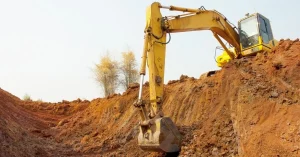
Residential properties often create unique challenges due to limited access points and tight spaces. These constraints make it difficult to maneuver heavy machinery, potentially slowing down the excavation process and increasing project costs. Furthermore, confined spaces create logistical issues for storing excavated materials and accommodating equipment. The optimal approach requires careful planning and the use of compact, versatile machinery specifically designed for tight spaces. A site-specific logistics plan outlining equipment placement, material storage, and workflows becomes essential for residential projects.
Meanwhile, commercial projects face different constraints related to site infrastructure access, boundaries, and neighboring properties. These projects typically demand larger machinery and crews but must still navigate technical constraints based on the practicality of building methods and standards.
Soil testing and excavation depth
Proper soil testing during the predevelopment phase is crucial for both sectors but varies in scope. This process determines whether the earth below can adequately support the planned structure. For a typical two-story residential building, engineers might bore 20 feet down to collect samples, while commercial skyscrapers may require boring 100+ feet until hitting bedrock. Soil testing is legally mandatory before construction on former industrial or agricultural sites and in areas near known environmental spills.
The testing analysis provides critical information about soil composition, stability, and potential challenges, enabling piling contractors in Brentwood to select appropriate equipment and techniques for each unique site.
Permit and inspection requirements
Perhaps the most striking difference lies in regulatory compliance. Commercial projects must adhere to more extensive regulations concerning techniques, electrical systems, plumbing, and zoning laws. These projects require detailed environmental assessments, site plans, and coordination with multiple agencies. Notably, building permits cannot be issued until commercial plan approval has been granted by Land Development divisions.
In contrast, residential approvals move relatively quickly, involving standard permitting, inspections, and minor zoning checks. Both sectors must comply with local building codes and safety standards, yet the complexity and timeline of these processes vary substantially.
Tools, Materials, and Equipment Used
The equipment and materials used in groundwork projects vary dramatically between residential and commercial sectors, reflecting their differing scale and complexity requirements.
Residential: compact machinery and timber forms
Residential groundwork typically relies on compact machinery designed for maneuverability in tight spaces. Mini excavators and skid steer loaders dominate these projects, offering excellent versatility despite their smaller size. These machines excel in residential construction thanks to their reduced ground impact and ability to navigate confined areas. The CASE small articulated loaders, such as the SL27 TR, provide surprising power for their compact footprint, enabling contractors to “move big weight” even in restricted spaces.
For foundation forming, residential projects primarily utilize traditional timber formwork. Wood remains popular for residential applications because of its affordability, flexibility, and ease of modification on site. Treated wooden elements, typically softwood or plywood, create temporary structures that shape concrete until it hardens.
Commercial: cranes, piling rigs, reinforced concrete
Commercial projects demand substantially more robust equipment. Heavy machinery including bulldozers, large excavators, and graders form the backbone of commercial excavation. Piling rigs represent another critical component, especially for sites with challenging ground conditions. These specialized machines can install piles with diameters from 250mm to 600mm, even in restricted access areas or near protected structures.
The piling platform, typically constructed from compacted granular fill, must be professionally designed to distribute the heavy rig loads safely. Commercial projects also extensively utilize reinforced concrete rather than simpler timber forms, providing the structural strength necessary for larger buildings.
Role of piling contractors in Brentwood
Piling contractors in Brentwood provide crucial specialized services throughout the groundwork process. Initially, they conduct thorough site investigations to determine ground conditions and select appropriate piling methods. Subsequently, they handle the entire process from design to installation, offering support to both residential and commercial clients.
These professionals maintain diverse rig fleets capable of implementing various piling systems, including open bored, temporary cased, or continuous flight auger methods. Through collaboration with structural engineers, they develop solutions tailored to specific site restrictions while remaining within budget constraints.
Cost, Timeline, and Risk Management
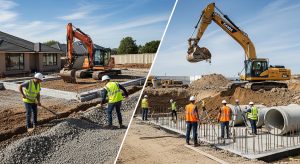
Financial planning represents a crucial component in any groundwork project, with stark contrasts between residential and commercial sectors in terms of budgeting, timeline management, and risk assessment.
Budgeting for residential vs commercial groundwork
Commercial groundwork projects cost approximately 2-3 times more than residential ones. This substantial difference stems from several factors: commercial projects require premium materials capable of withstanding decades of heavy daily use, specialized labor that commands higher wages, and expensive fire suppression systems throughout the building. Consequently, while residential renovations in Massachusetts typically cost $100-300 per square foot, commercial projects start at $200 minimum and can reach $500-800 per square foot in prime locations.
Timeframes and scheduling challenges
Timing varies considerably between sectors. Residential excavation typically takes 3-10 days, with complete residential projects finishing within 6-12 months. In contrast, commercial groundwork involves more extensive preparation, with total project timelines stretching from 12-24 months for mid-sized buildings to 2-5 years for large commercial projects. Unfortunately, nearly 70% of commercial projects face delays or budget overruns primarily due to ineffective risk management.
Managing risks and unexpected delays
Effective risk management begins with thorough identification of potential issues:
- Financial risks including budget overruns and cash flow interruptions
- Performance risks affecting quality, design, and schedule adherence
- Unexpected site conditions requiring additional permitting or work stoppages
Experienced piling contractors in Brentwood implement several key strategies to mitigate these concerns, including contractual risk transfer, comprehensive insurance coverage, and robust safety programs. Indeed, the British Geological Survey estimates that proper planning techniques can cut project costs by up to 30% when compared to traditional methods.
Conclusion
Choosing the right groundwork solution proves essential for project success, whether dealing with a residential property or commercial development. Throughout this article, we’ve highlighted significant differences between these two sectors. Residential projects generally require less complex foundations, utilize compact machinery, and follow streamlined permitting processes. Commercial endeavors, on the other hand, demand robust structural solutions, heavy equipment, and navigate considerably more regulatory hurdles.
Professional piling contractors in Brentwood must adapt their approaches accordingly. They understand that residential projects benefit from flexibility and specialized equipment designed for tight spaces, while commercial projects need comprehensive planning to manage larger scopes and higher risks. The cost differential remains substantial as well, with commercial groundwork typically costing 2-3 times more than residential equivalents due to material quality demands and complexity.
Project timelines also differ dramatically. Residential groundwork might finish within days, with complete projects taking months, whereas commercial projects often span years from start to finish. This time difference stems from not only size but also the intricate planning required to mitigate potential risks and delays.
Effective groundwork ultimately depends on selecting contractors who understand these fundamental differences. The right professionals will help you navigate potential challenges specific to your project type, implement appropriate risk management strategies, and select suitable foundation solutions based on thorough site assessments. Armed with this knowledge about the distinctions between residential and commercial groundwork, you can now make more informed decisions when planning your next construction project in Brentwood.